



By Jeremiah Gora
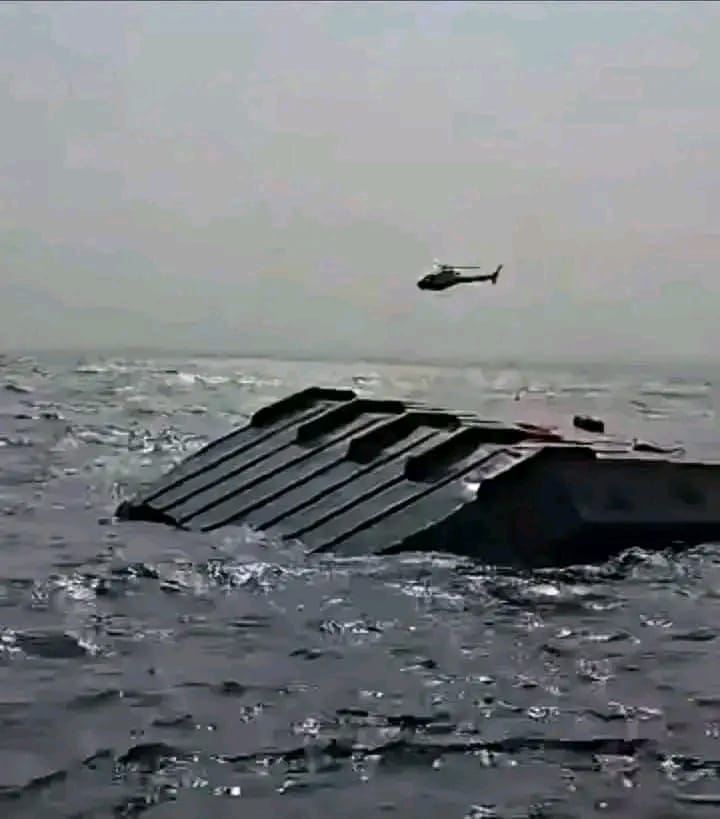
Cabinet has received and adopted a raft of immediate measures to assist communities affected by the Lake Kariba ferry disaster, with Government prioritising humanitarian relief, infrastructure recovery, resilience building and disaster-risk preparedness.
The measures were presented by Minister of Local Government and Public Works Honourable D. Garwe on behalf of Vice President Col. (Rtd.) Dr K.C.D. Mohadi, who chairs the Cabinet Committee on Social Development, during the 29th Cabinet Meeting chaired by President Emmerson Mnangagwa today.
According to the Cabinet, the intervention will focus on four main areas: Humanitarian Relief and Psychosocial Support; Recovery and Resilience Building; Transport and Infrastructure Development; and Community Training in Disaster Risk Reduction.
Under the humanitarian response, Government will deploy skilled personnel to provide mental health support, distribute emergency supplies, protect children and ensure that education is not disrupted in affected communities.
The resilience component will focus on expanding economic opportunities, providing vocational training and rebuilding community assets damaged or affected by the disaster.
On transport and infrastructure, Government plans to undertake road repairs, replace vessels and establish affordable ferry services while strengthening early warning systems through the deployment of weather stations, drones and communication equipment.
Cabinet also prioritised the development of a comprehensive emergency response plan, alongside improvements to community amenities and access to water and sanitation.
The measures will further include training communities in water safety, first aid and disaster preparedness, while Government will ensure the timely disbursement of the National Civil Protection Fund.
Cabinet also stressed the importance of building local capacity through collaboration with educational institutions as part of efforts to strengthen disaster preparedness and response.
The measures come as Government moves to provide both immediate and longer-term support to communities affected by the Lake Kariba tragedy, with the response seeking to address humanitarian needs while improving infrastructure and reducing the vulnerability of communities to future disasters.
The Cabinet decision places particular emphasis on combining relief efforts with long-term recovery and resilience, including improved transport infrastructure, emergency preparedness and community-based disaster risk reduction.
97 people perished in the disaster.
