



Pandemic Fund Grants to Boost Zimbabwe’s Health Security and Community Resilience
By Caroline Washaya Moyo
HARARE — Communities across Zimbabwe are expected to play a central role in strengthening the country’s defences against public health emergencies, as two strategic grants from the Pandemic Fund seek to improve disease prevention, early detection and coordinated responses from national level down to local authorities and neighbourhoods.
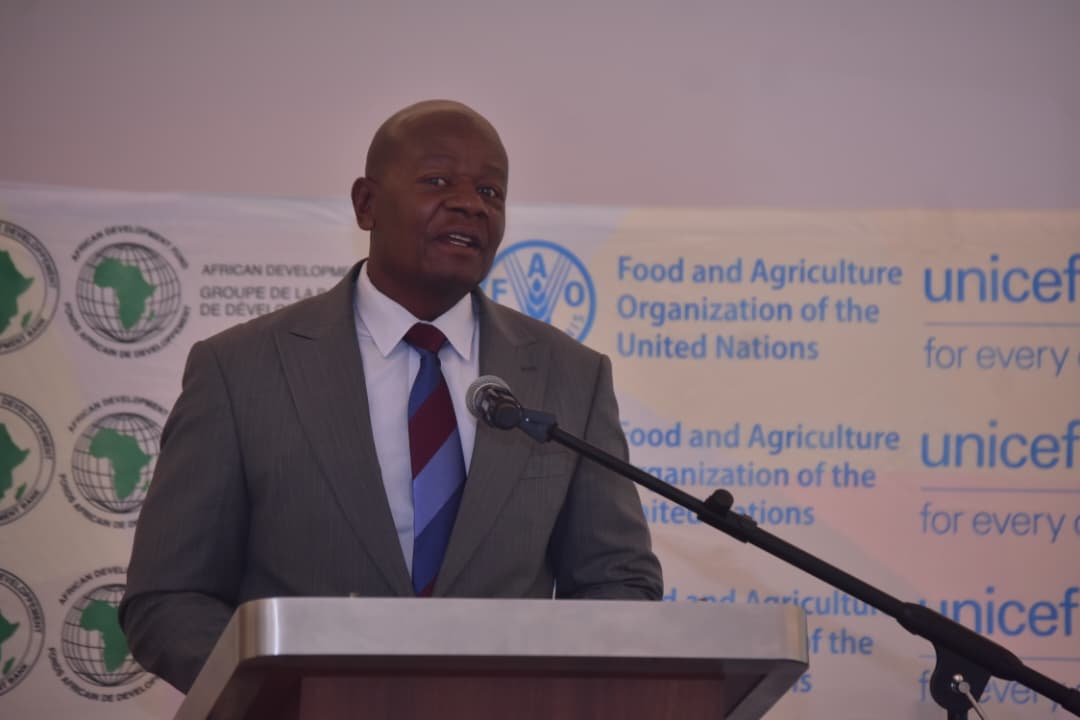
Minister of Local Government and Public Works Honourable Daniel Garwe said the multi-country and single-country grants presented an important opportunity to strengthen public health systems while empowering communities to identify risks early, protect vulnerable households and respond more effectively to disease outbreaks.
Speaking at the launch of the grants, Minister Garwe said the investments would support Zimbabwe’s efforts to build resilient communities through stronger local government institutions, improved disaster risk management and closer collaboration across sectors.
He said the COVID-19 pandemic had demonstrated that public health emergencies extend far beyond hospitals, disrupting livelihoods, interrupting essential services and placing additional pressure on households and local economies.
“The lesson is clear: preparedness cannot be sectoral; it must be Whole-of-Government and Whole-of-Society,” he said.
Minister Garwe said the Government’s adoption of the One Health approach recognised the close relationship between human, animal and environmental health, particularly as climate change, environmental degradation and increased interaction between humans and animals heightened the risk of emerging and re-emerging diseases.
For communities, he said, effective pandemic preparedness must translate into practical improvements in everyday life, including safer water supplies, better waste management, functional drainage systems, effective public health communication and faster responses to potential outbreaks.
The Ministry of Local Government and Public Works is expected to play a key role in ensuring that these interventions reach communities through local authorities, which are responsible for essential services such as environmental health, water and sanitation, community engagement and local development planning.
Minister Garwe said strengthening local authorities would improve their capacity to incorporate pandemic preparedness into development plans and budgets, helping ensure that disease prevention becomes an integral part of routine service delivery rather than an intervention activated only during emergencies.
Local authorities are also critical in communicating public health risks, supporting community surveillance and enforcing public health regulations. Stronger capacity at this level would help communities receive timely information, report emerging health threats and access coordinated responses before outbreaks escalate.
He emphasised that early warning systems must be linked to practical action, particularly in communities where limited access to information, safe water and essential services can increase vulnerability during public health emergencies.
“Early warning without early action is of little value,” he said.
The Government intends to strengthen links between the country’s disaster risk management structures, coordinated through the Department of Civil Protection, and One Health surveillance systems.
Working with the Ministries of Health and Child Care; Agriculture, Mechanisation and Water Resources Development; and Environment, Climate and Wildlife, the Ministry of Local Government and Public Works will support a coordinated approach to identifying threats and ensuring that alerts lead to clear responsibilities, response plans and timely communication.
The existing disaster risk management structures, which extend from national to provincial, district and ward levels, provide an important platform for bringing preparedness closer to communities.
This decentralised approach is particularly significant for vulnerable households and hard-to-reach populations, who may face greater difficulties accessing timely information and essential services during outbreaks, floods, droughts and other climate-related emergencies.
The multi-country grant will complement national interventions by promoting information-sharing, joint planning and coordinated responses among Southern African countries. Such cooperation is important because disease outbreaks and climate-related health threats can cross borders, affecting communities, trade and regional livelihoods.
Minister Garwe said the grants must also deliver lasting institutional benefits through accountability, transparency and value for money. Building local expertise and strengthening public institutions would help ensure that communities continue to benefit after the funding period ends.
Zimbabwe continues to face recurring public health threats, including cholera and other climate-sensitive diseases, underscoring the importance of prevention at community level.
Minister Garwe said sustained investment in safe water, effective waste disposal, functional drainage and empowered communities was essential to reducing the risks associated with such outbreaks.
These interventions are particularly important in densely populated settlements and areas where inadequate sanitation and unreliable water supplies can accelerate the spread of waterborne diseases. Strengthening local service delivery can therefore help reduce preventable illness while protecting household incomes, school attendance and access to essential services.
He also highlighted the recently concluded National Multi-Hazard Contingency Planning Workshop, convened by the Technical Committee on Environment, Emergency Preparedness, Disaster Prevention and Management.
The planning process reinforces the need for coordinated and decentralised disaster management, particularly in light of forecasts of a severe El Niño. Effective contingency planning can help communities prepare for climate-related disruptions, protect vulnerable groups and maintain access to essential services during emergencies.
Minister Garwe credited President Emmerson Mnangagwa’s leadership under the Second Republic for prioritising disaster risk reduction, devolution and community resilience in pursuit of Vision 2030.
He reaffirmed his ministry’s commitment to integrating pandemic preparedness into local development planning, strengthening coordination between Civil Protection structures and health institutions, and supporting community-centred implementation.
Ultimately, the success of the Pandemic Fund grants will be measured not only by strengthened institutions and improved coordination, but also by their impact on people’s lives: communities better informed about health risks, local authorities better equipped to respond, essential services more resilient and vulnerable households better protected against future emergencies.
“Let us therefore build foundations that outlast the storm, institutions that outlive grants, and a resilience that outlives memory itself,” Minister Garwe said.
