



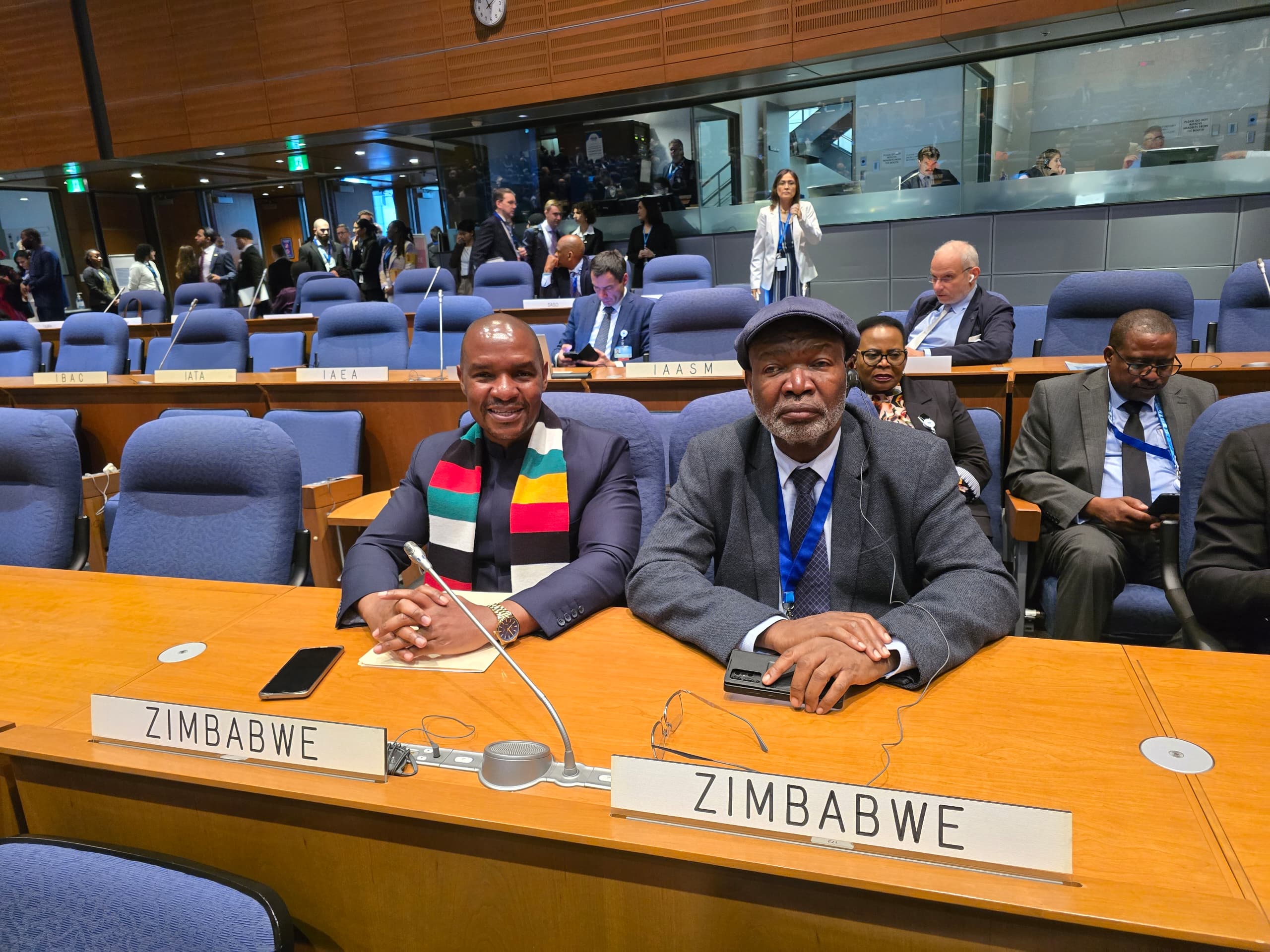
File picture…
Story by Lovemore Masunungure
The 88th session of the United Nations Inland Transport Committee (ITC) has begun this Tuesday at the Palais des Nations in Geneva, bringing together delegates from across the globe, including Zimbabwe.
The high-level meeting, which runs until February 20, 2026, is being attended by Transport and Infrastructural Development Minister Hon Advocate Felix Tapiwa Mhona, who is leading the Zimbabwean delegation.
The team includes the ministry’s legal advisor Advocate Kingston Magaya, board chairperson of the Traffic Safety Council of Zimbabwe Mr Kura Sibanda, managing director Mr Munesu Munodawafa, and other senior government officials.
Minister Mhona is expected to address a key Ministerial panel on Wednesday focusing on innovation and automation in inland transport systems.
Proceedings began with closed-door sessions for government representatives.
The ITC serves as the UN’s principal platform for cooperation on inland transport, helping countries respond more effectively to global and regional mobility challenges.
This year’s session is taking place at a time of significant transformation within both the UN system and the global transport sector.
Held under the theme “Driving Innovation for the Future of Inland Transport,” the high-level segment is examining the committee’s role within the evolving UN framework under the UN80 initiative.
Discussions are centred on megatrends such as automation, artificial intelligence, digitalisation and data-driven governance, and how innovation can be responsibly applied through science-based, interoperable regulatory systems to make transport safer, greener and more resilient.
Over the past 75 years, the ITC and its subsidiary bodies, working alongside the United Nations Economic Commission for Europe, have provided an intergovernmental forum where member States negotiate legal instruments and cooperation tools to strengthen inland transport.
These legal frameworks are regarded as critical for developing efficient, harmonised, integrated and sustainable systems across rail, road and inland waterways.
More than 20 ministers from around the world, together with senior government officials, international organisations, industry leaders and civil society representatives, are participating in discussions on strategic priorities, governance and technical solutions shaping the future of inland transport and intermodal connectivity.

Comments 1