



Government has announced in a Cabinet briefing that it is considering the option of increasing the ethanol blending of petrol from the current E5 to E20 level with a view to reducing the pump price of petrol in the local market.
“Government also considered the option of increasing the ethanol blending of petrol from the current E5 to E20 level with a view to reducing the pump price of petrol in the local market,” announced Minister of Information Hon Zhemu Soda.
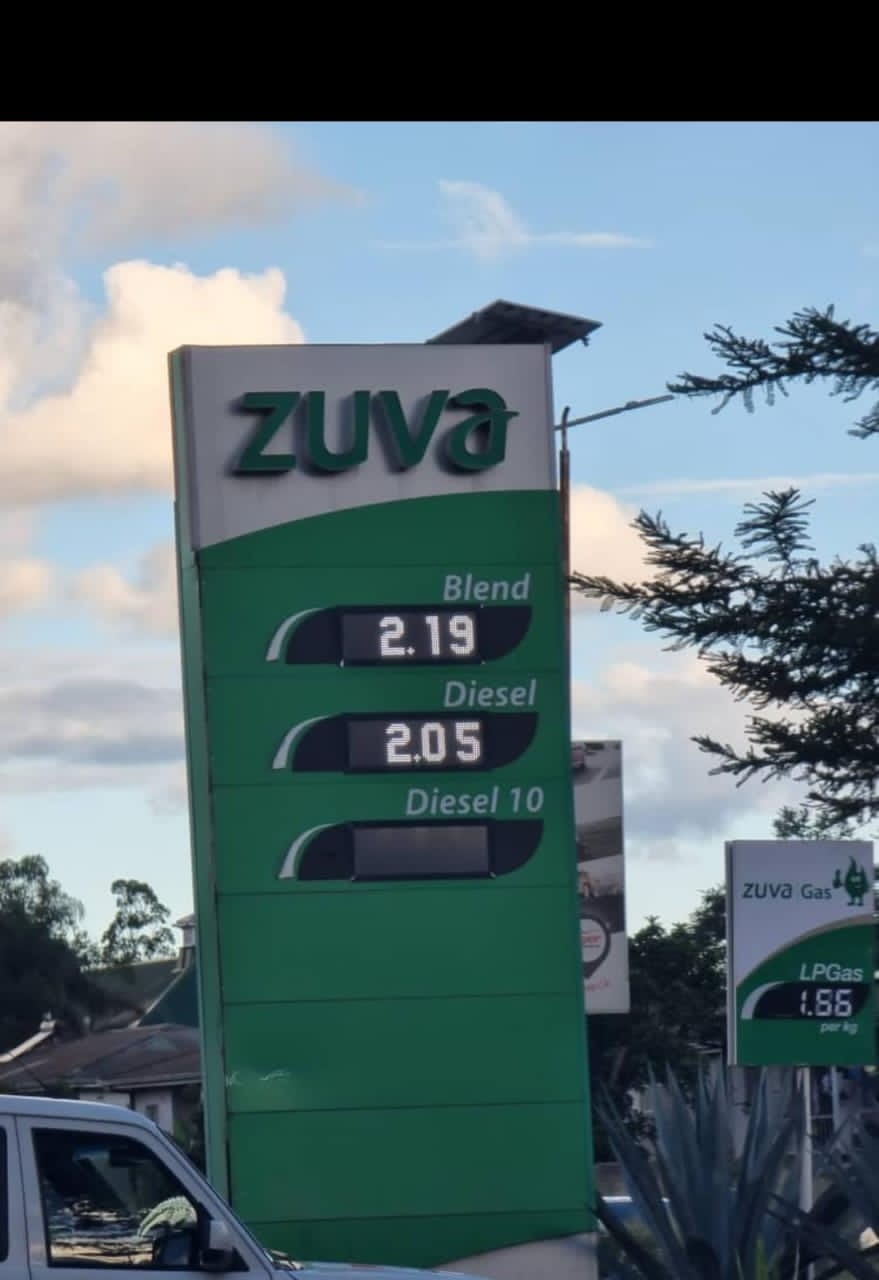
Currently, fuel prices have been set at $2.19 per litre for blend petrol and $2.05 per litre for diesel.
He added that, “appropriate refinements of the options are underway, and the necessary fuel price adjustments will be communicated in due course.”
The intervention comes amid global fuel price volatility linked to ongoing geopolitical tensions in the Middle East.
Cabinet noted that despite these pressures, prices of most basic commodities in the domestic market have remained stable between January and March 2026.
“Local commodity prices have largely remained stable. Most businesses have not increased the prices of basic goods such as mealie-meal, laundry soap, cooking oil, sugar, flour, rice, milk, eggs, beef and chicken,” he said.
However, cabinet acknowledged that a few bread makers increased prices by an average of 10 percent, while transport operators also effected fare increases.
To cushion consumers, Cabinet approved targeted fiscal measures.
“Cabinet considered and approved the review of selected and time-bound fuel taxes in order to contain inflationary pressures and safeguard consumer welfare,” Hon Zhemu Soda announced.
Meanwhile, Cabinet also approved sweeping reforms in the construction sector, focusing on the real estate development sub-sector, as part of broader efforts to improve the ease of doing business.
“Cabinet approved the streamlining of duplicated and overlapping regulatory licences and permits, the removal of unnecessary levies and fees and the lowering of unjustifiably high levies and fees,” he said.
Key measures include, capping of Local Authorities Building Plan approval fees for high density suburbs and industrial plans, scrapping of building permit inspection fees for high density suburbs, reduction of structural engineering design approval fees, abolishing Environmental Impact Assessment fees, and reduction of contractor registration fees.
Government said the reforms are intended to reduce the cost of doing business, increase competitiveness, enhance investor confidence and stimulate the growth and expansion of the domestic construction sector.
Cabinet further noted that the review process will undergo wider consultations.
“Government will subject the reviews to further consultations based on three categories, namely: Government levies and fees, Private Sector levies and fees, and others. The relevant Statutory Instruments and detailed fee schedules will thereafter be gazetted,” Cabinet said.
Authorities also indicated that broader structural issues will be addressed under the reforms.
“Government will review cross-cutting issues such as constrained credit facilities and the accelerated regularisation of informal settlements through a structured programme to ensure provision of essential infrastructure under the User-Pay Principle,” he added.
Government reaffirmed its commitment to implementing reforms that stabilise the economy, protect consumers and promote sustainable growth across key sectors.
Story by Jeremiah Gora
