



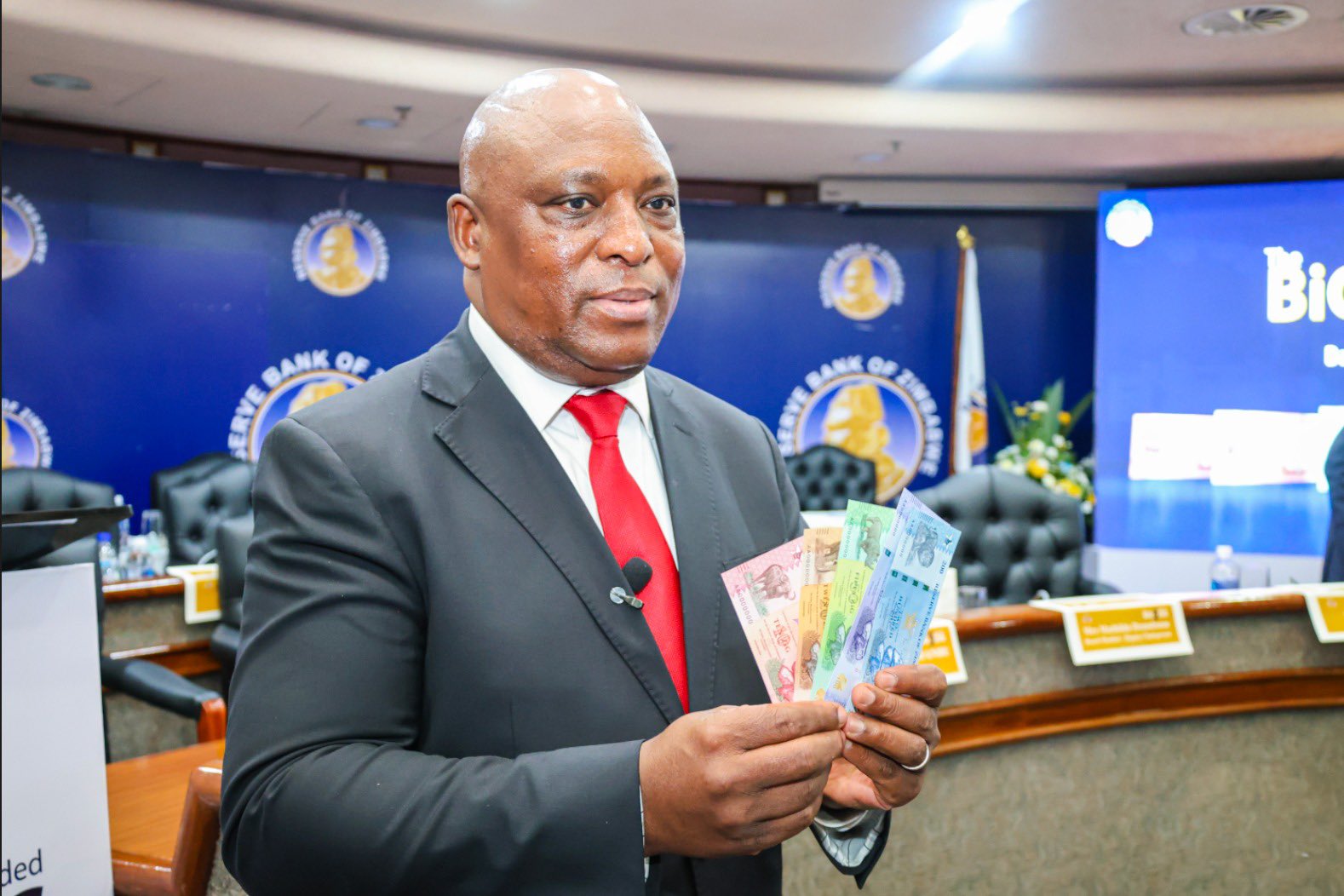
The Reserve Bank of Zimbabwe (RBZ) has introduced a series of monetary policy measures aimed at stabilising the financial sector, curbing fraud, and strengthening foreign currency reserves, Governor John Mushayavanhu announced today.
Presenting the latest Monetary Policy Statement, Dr Mushayavanhu said transaction costs have been adjusted to promote affordability and transparency in the banking system.
“Cash withdrawal charges have been standardised at 2 percent, while Point-of-Sale transaction fees will be capped at 1.5 percent to ensure fairness and encourage electronic payments,” he said.
The central bank has also scrapped selected bank charges.
“We have eliminated fees for balance inquiries and cash deposits as part of our commitment to reduce the cost of doing business and enhance financial inclusion,” Mushayavanhu added.
In response to rising cases of digital financial crimes, the RBZ has ordered Mobile Network Operators to conduct a full audit of mobile money platforms.
“All mobile money operators are required to audit their subscriber databases and deactivate any unauthorized or fraudulent accounts. This is necessary to safeguard consumers and maintain confidence in digital transactions,” he said.
Zimbabwe’s national reserves currently stand at US$1.3 billion, comprising 4.2 tonnes of gold valued at US$738 million and nearly US$500 million in cash holdings.
“These reserves provide an important anchor for currency stability and confidence in the economy,” Mushayavanhu noted.
However, the country’s import cover remains at 1.5 months, underscoring the need to continue building foreign currency buffers.
The RBZ maintained the primary policy rate at 35 percent, signalling a continued tight monetary stance to contain inflationary pressures.
“The Bank will sustain a prudent monetary policy framework to support price stability and exchange rate discipline,” said Mushayavanhu.
Foreign exchange retention thresholds remain unchanged at 70 percent for exporters, but small-scale miners will now be required to surrender a portion of their earnings.
“Small-scale miners, who previously retained 100 percent of their foreign currency, will now surrender 10 percent to ensure equitable contribution to national reserves,” he explained.
The central bank also announced the phased rollout of new currency denominations.
“New 10, 20 and 50 notes will begin circulating on 7 April, while the 100 and 200 denominations will be introduced at a later stage,” Mushayavanhu said.
He stressed that the measures are designed to enhance liquidity management, restore confidence in the local currency, and support broader economic stability.
“Our objective is to foster a predictable monetary environment that supports production, protects consumers and strengthens the resilience of the financial system,” he said.
Story by Jeremiah Gora
