



By Jeremiah Gora
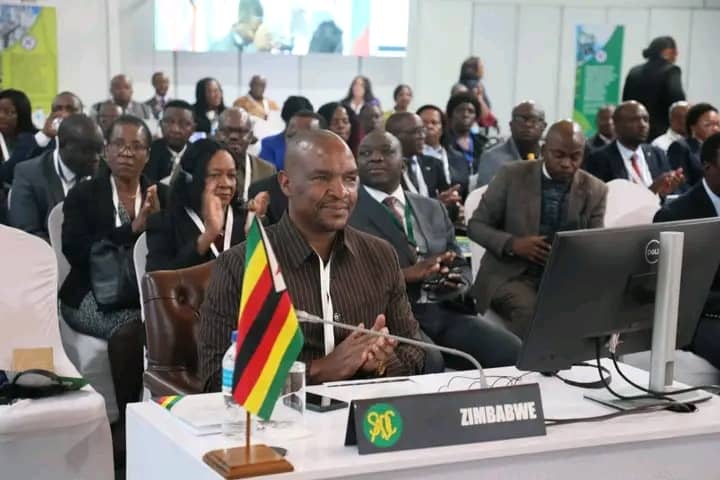
Southern African Development Community (SADC) member states must accelerate the liberalisation of air transport services and adopt Artificial Intelligence (AI)-enabled climate-resilient infrastructure to deepen regional integration and drive sustainable economic development, Zimbabwe’s Minister of Transport and Infrastructural Development, Honourable Advocate Felix Mhona, said today.
Addressing the SADC High-Level Ministerial Round Table Dialogue at the Zimbabwe International Trade Fair (ZITF) Grounds in Bulawayo, Hon Mhona called on regional leaders to strengthen transport, digital and meteorological systems to improve connectivity, boost trade and enhance resilience against climate change.
The dialogue was held under the theme, “Liberalised Skies and AI-Enabled Climate Resilient Infrastructure to Accelerate Regional Integration and Sustainable Development in SADC.”
“This dialogue comes at a critical moment for our region. As SADC pursues deeper regional integration, we must strengthen the systems that connect our economies, our people and our markets,” Hon Mhona said.
He said efficient transport networks, modern digital infrastructure, reliable meteorological services and emerging technologies such as AI had become indispensable tools for economic competitiveness and sustainable development.
The minister urged member states to reaffirm their commitment to the Single African Air Transport Market (SAATM), describing it as a transformative continental initiative capable of revolutionising aviation in Africa.
“Through the liberalisation of air services, we can improve connectivity, facilitate trade and tourism, reduce the cost of travel and create new opportunities for investment and growth,” he said.
Hon Mhona noted that Zimbabwe had already taken steps to support the implementation of SAATM principles through continued investment in aviation infrastructure and policies aimed at promoting seamless regional connectivity.
“Zimbabwe remains committed to this vision through the implementation of SAATM principles, continued investment in aviation infrastructure and support for initiatives that promote seamless regional connectivity,” he said.
However, he cautioned that significant challenges remained and called for greater cooperation among member states.
“We must continue working together to remove barriers that limit the movement of people, goods and services across our region,” Mhona said.
Turning to climate change, the minister said the increasing frequency of extreme weather events required governments to rethink infrastructure development and prioritise resilience.
He said the strategic application of AI, digital technologies and advanced meteorological systems could significantly improve weather forecasting, disaster preparedness and the safety and efficiency of regional transport networks.
“By harnessing Artificial Intelligence, digital technologies and advanced meteorological systems, we can improve forecasting, strengthen disaster preparedness and enhance the safety and efficiency of our transport networks,” he said.
He commended the SADC Secretariat, the Government of Zimbabwe and other stakeholders for organising the roundtable, saying the gathering offered a platform for member states to exchange ideas and develop practical solutions to regional challenges.
“Let us use this platform to exchange ideas, share experiences and develop practical solutions that will advance regional integration and improve the lives of our citizens,” he said.
The minister expressed optimism that deliberations at the meeting would help shape policies that strengthen regional connectivity, improve infrastructure resilience and accelerate economic growth across the SADC region.
